01 / LEAF BLOWER
Blow it. Then gather it.
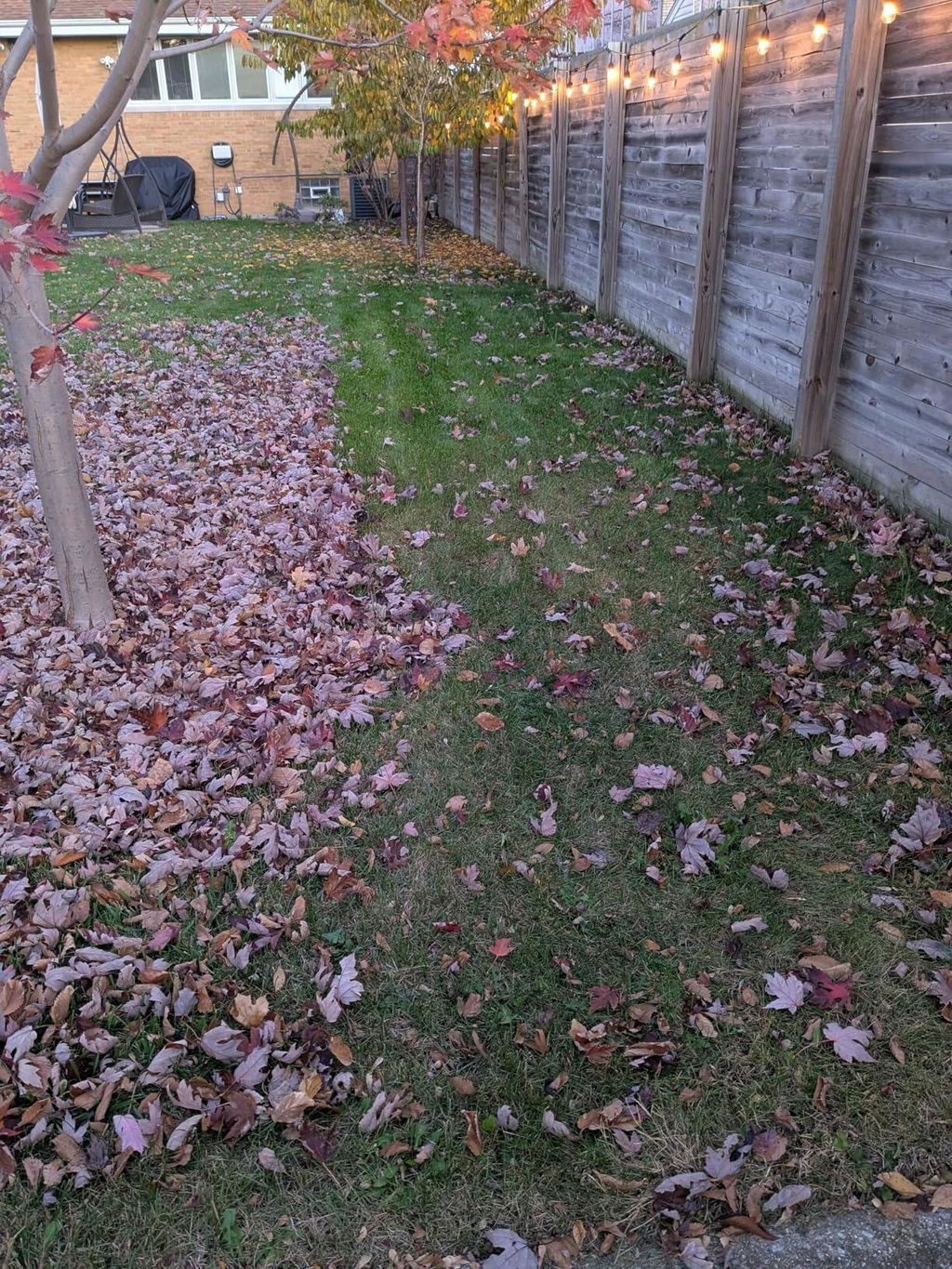
The leaves move across the lawn. Gathering and disposing of that pile still comes next.
Works on Grass & Turf
No Gas or Cords
Leaves, Acorns & Clippings
Adjustable Brush Height
1-YEAR WARRANTY
INCLUDED WITH EVERY ORDER $50 VALUE
2 REUSABLE LAWN BAGS
UNLOCK WITH 26 IN INCLUDED FREE WITH 26 INNo se pudo cargar la disponibilidad de retiro


Enjoy 10% OFF your first iMartFun order

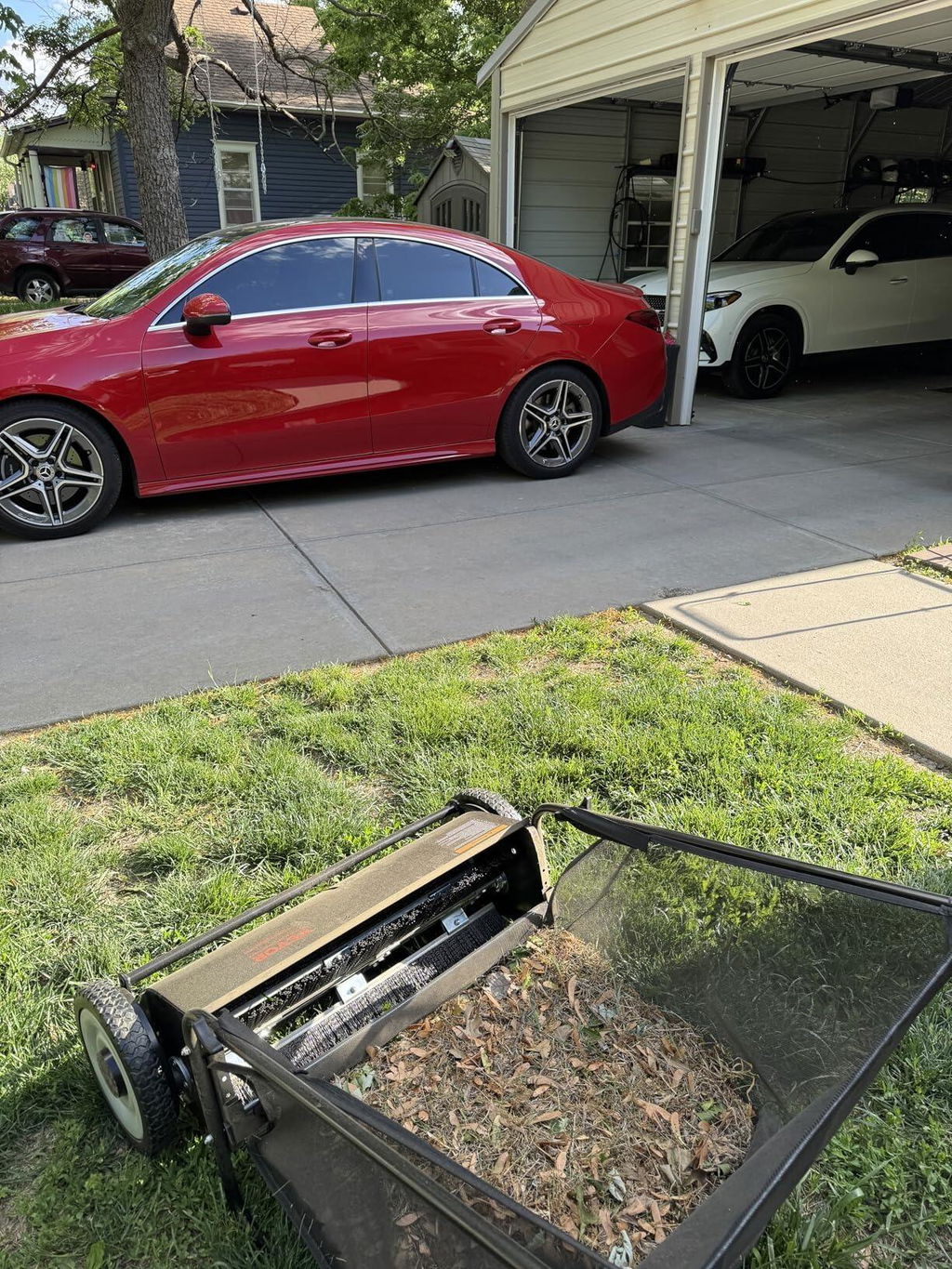
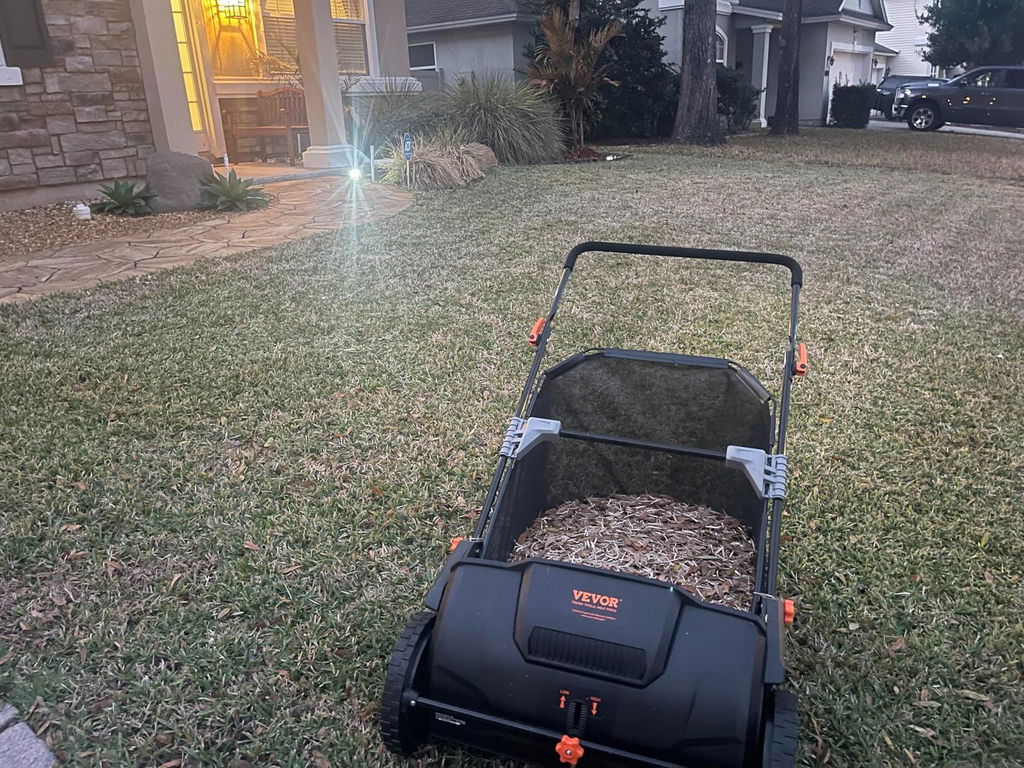
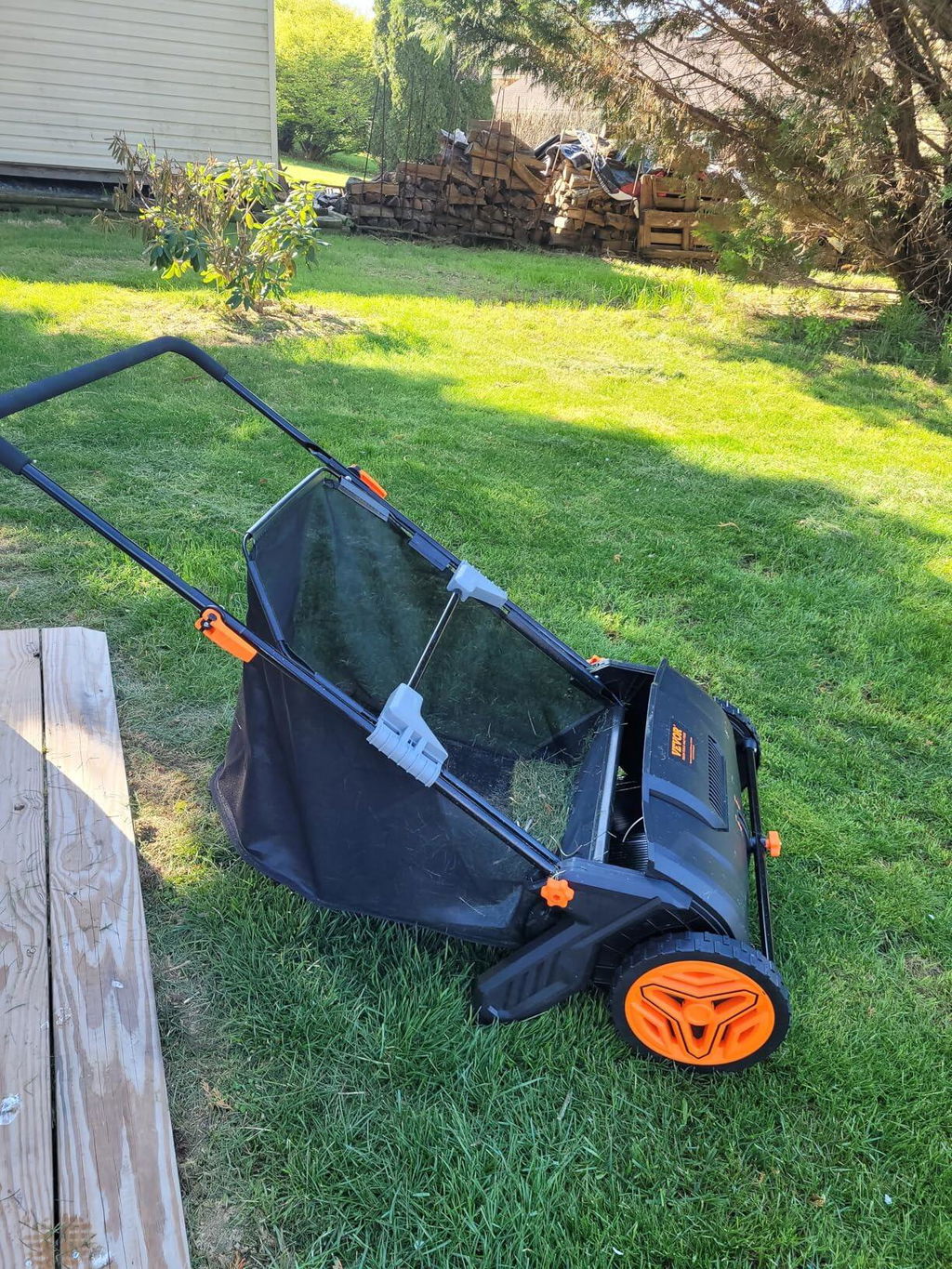
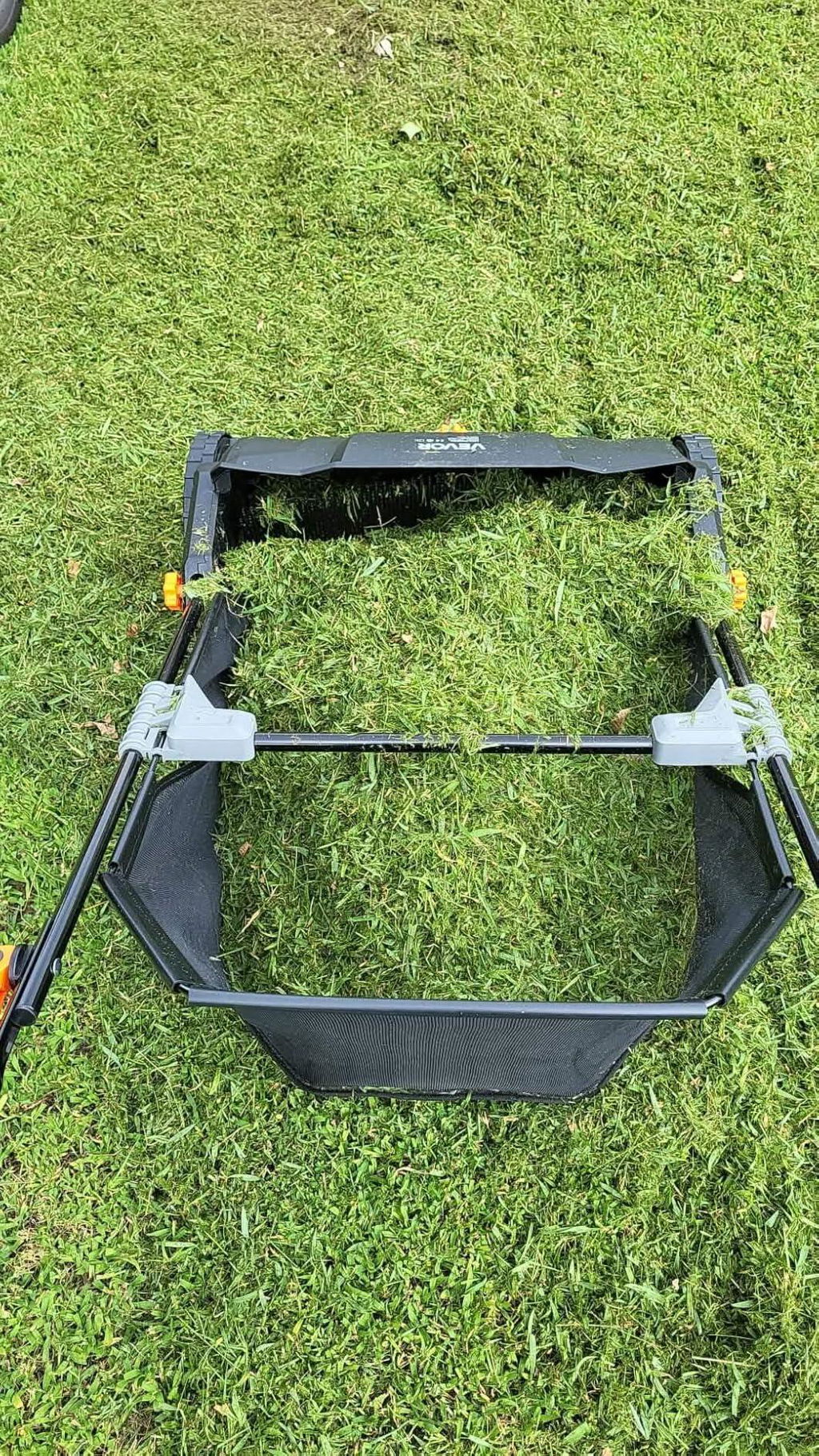
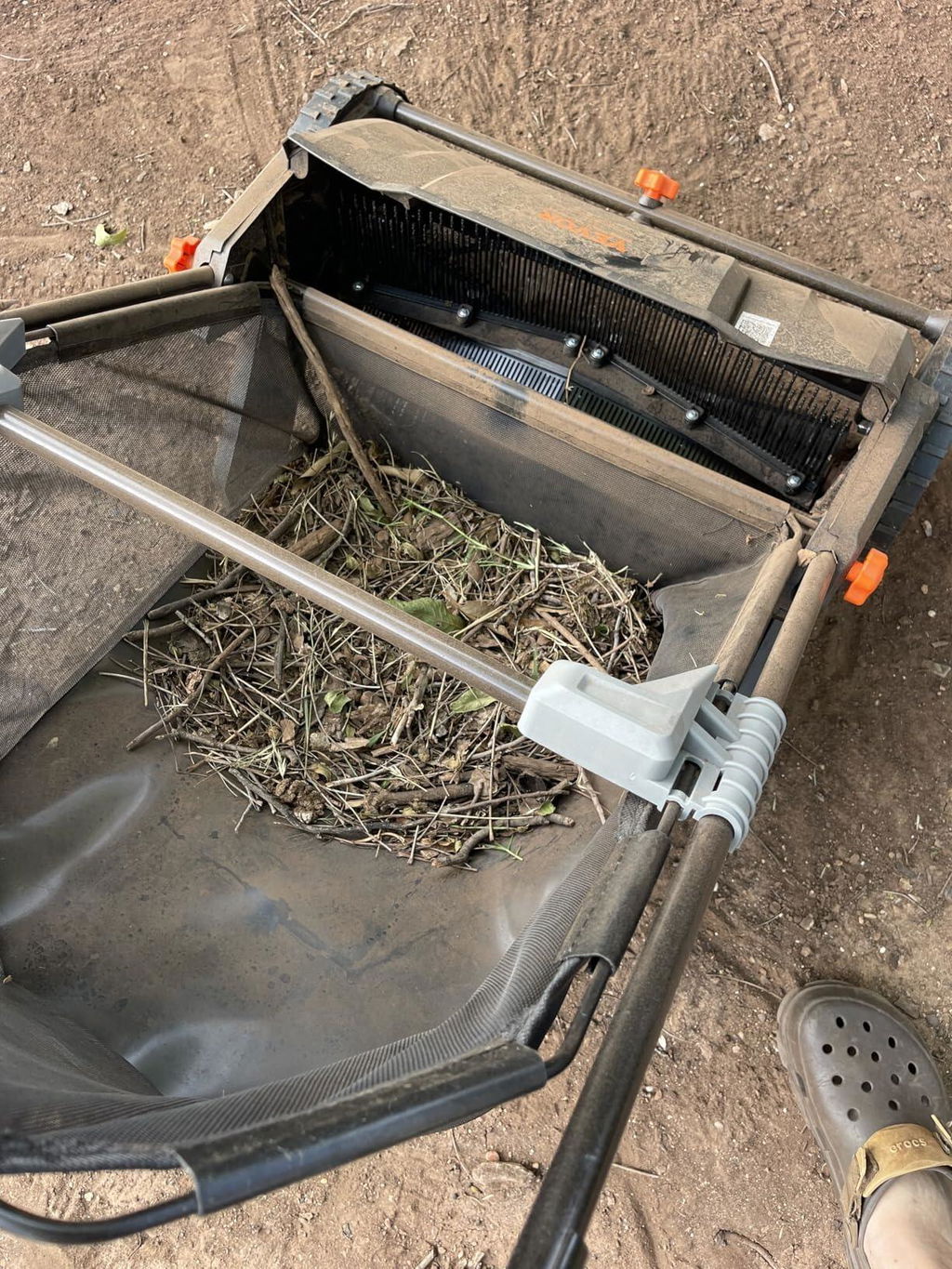
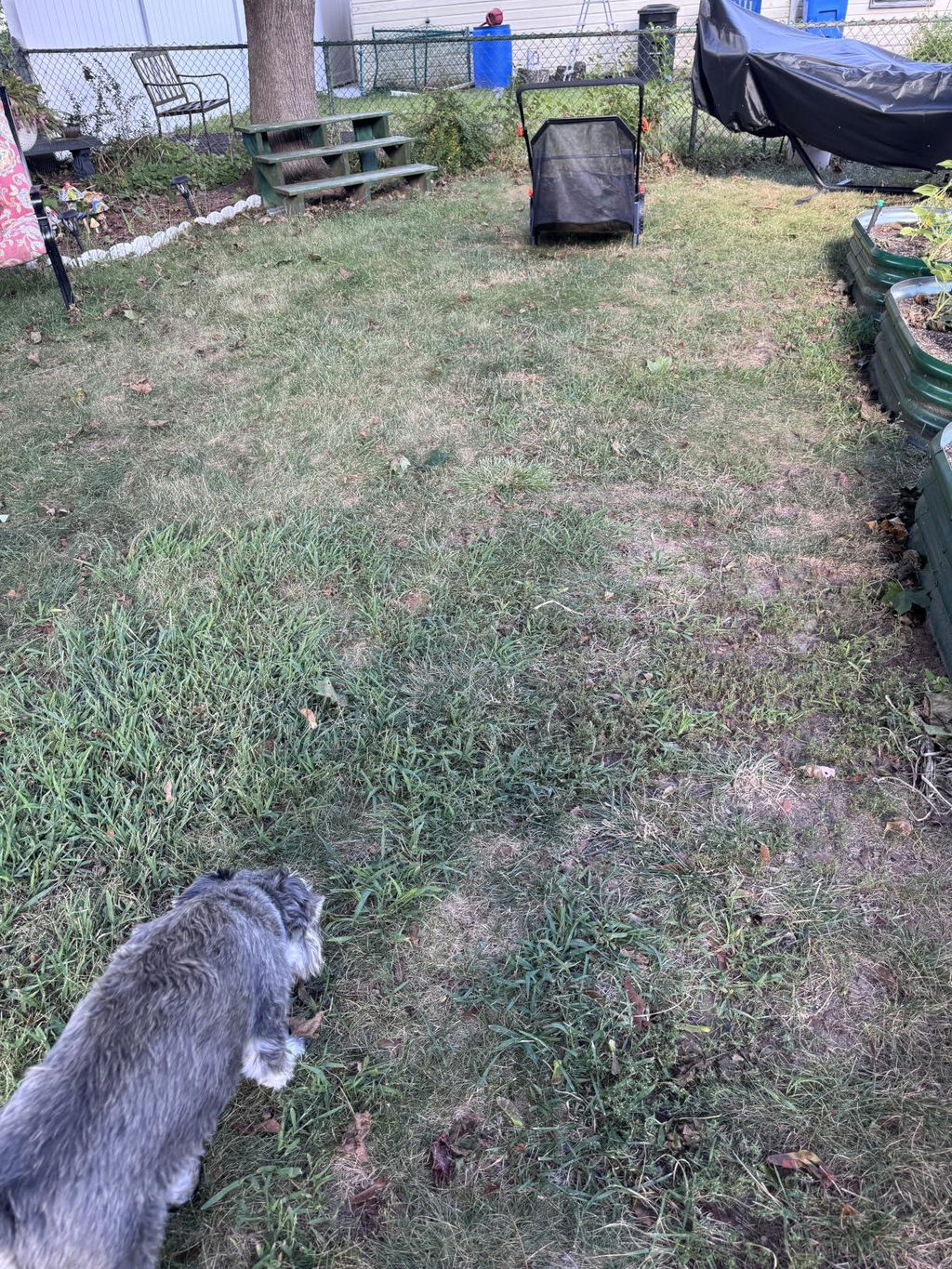
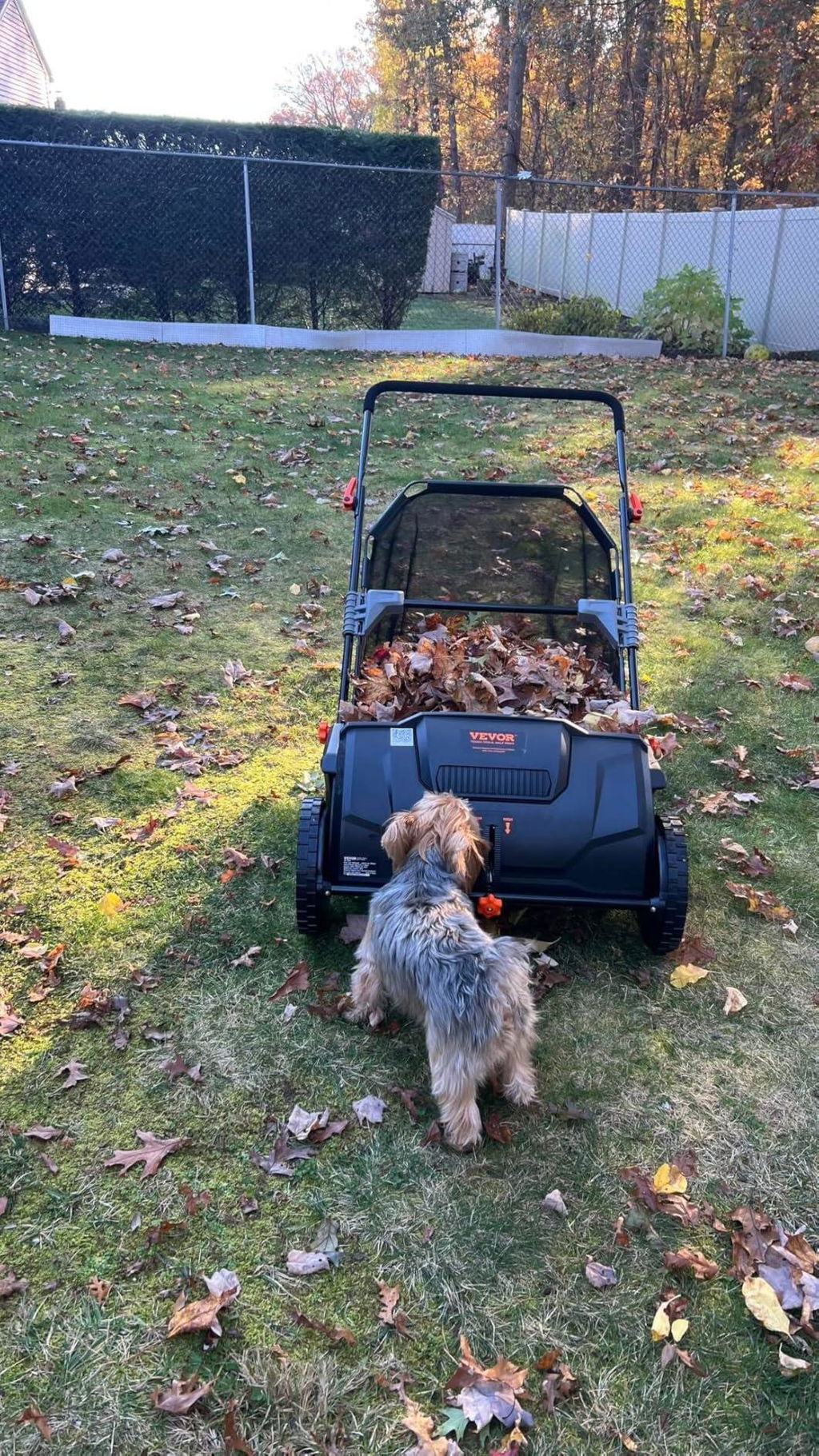
Works well. Picked up leaves, pinecones and small sticks without difficulty. A bit difficult to push up a slope but when I switched to horizontal positioning on the slope it worked well

The first few passes were frustrating because I had the brushes set too low and it was hard to push. Raised them up a bit and that made a huge difference. It does a really good job on dry leaves and grass clippings. My yard isn't perfectly flat so I have to slow down in a few spots, but overall I'm happy with it

I have about a quarter acre and this is a good fit for my yard. Easy enough to push once it's adjusted correctly and the bag holds a decent amount. If you have a huge property you might want something bigger, but for a normal suburban lawn it does the job.

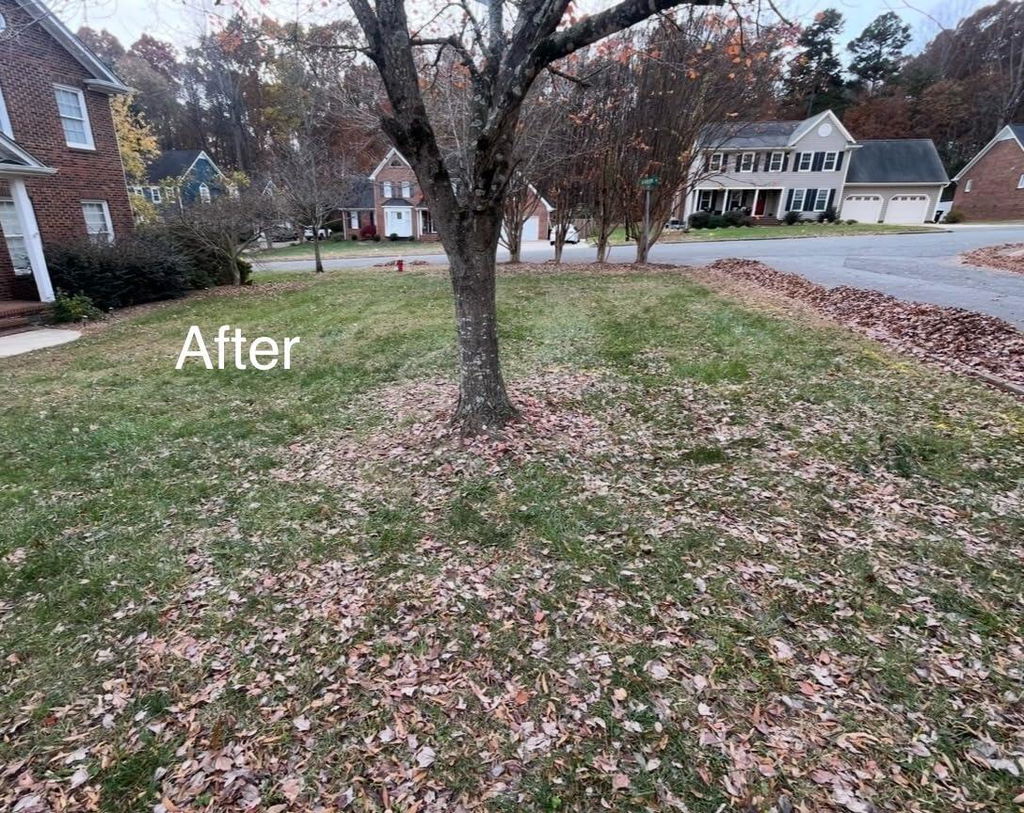
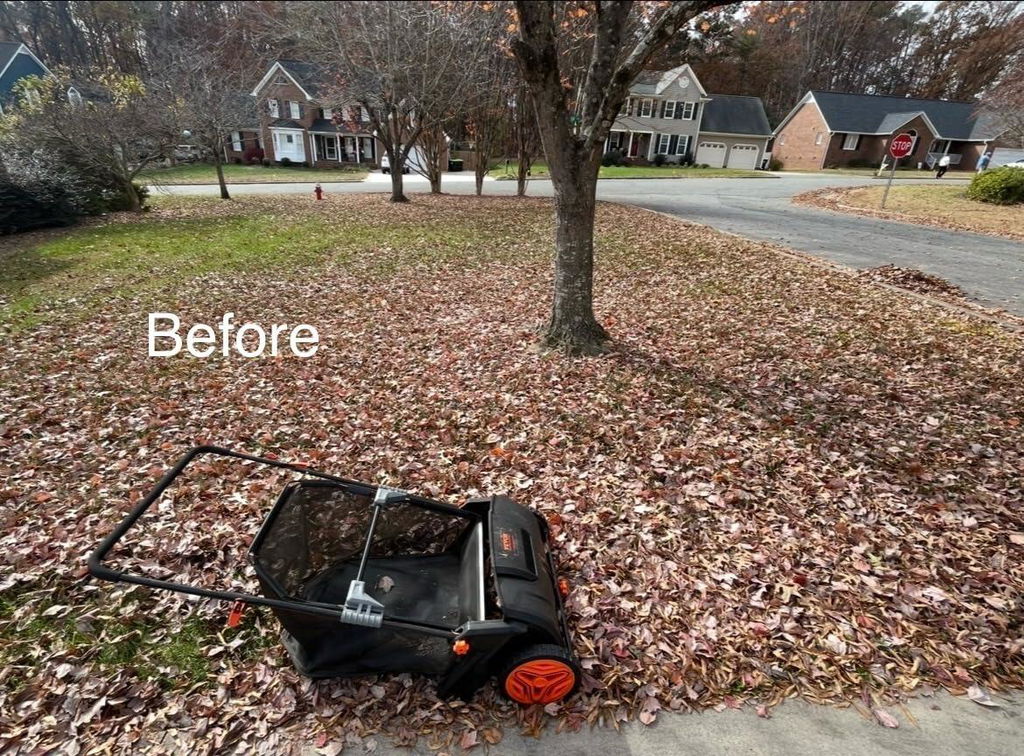
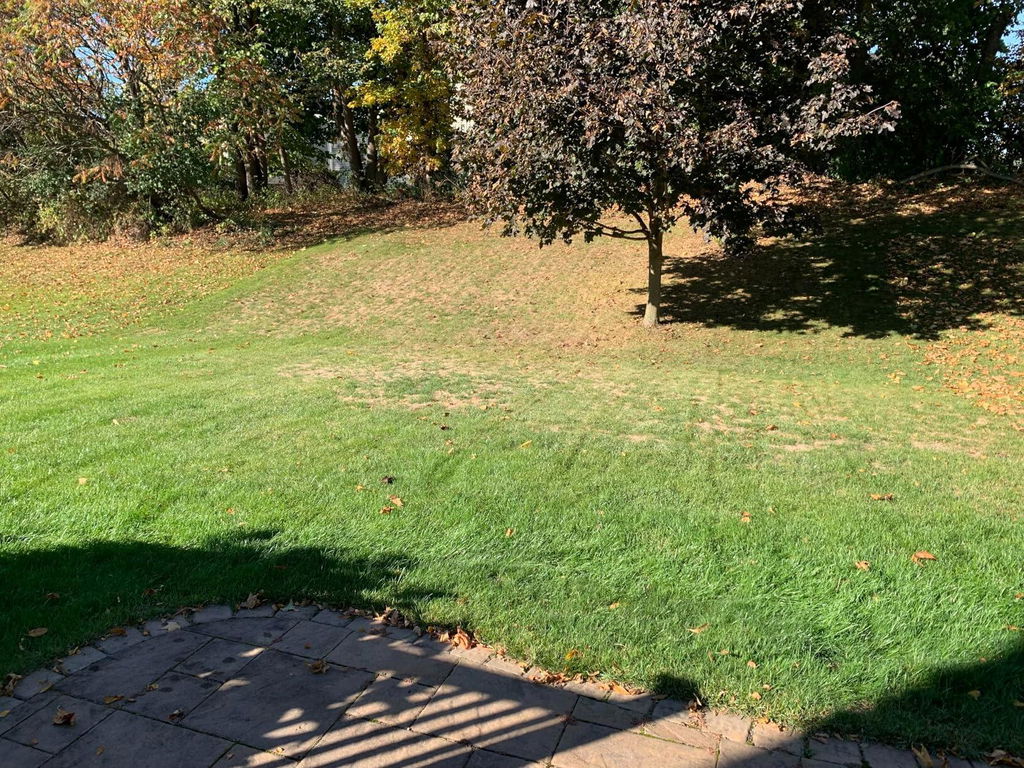
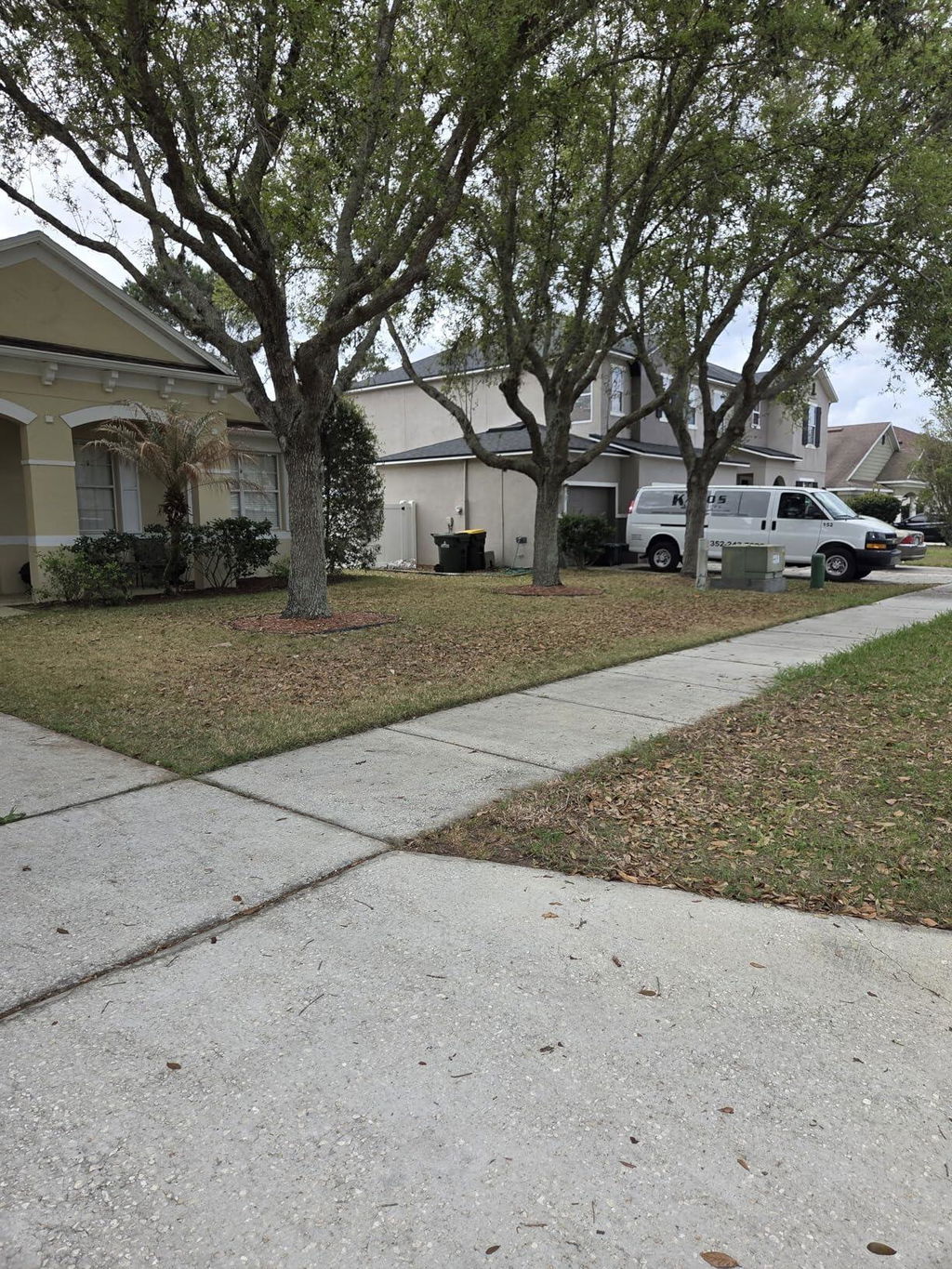
🍂 Leaves — Collect dry fallen leaves in fewer passes.
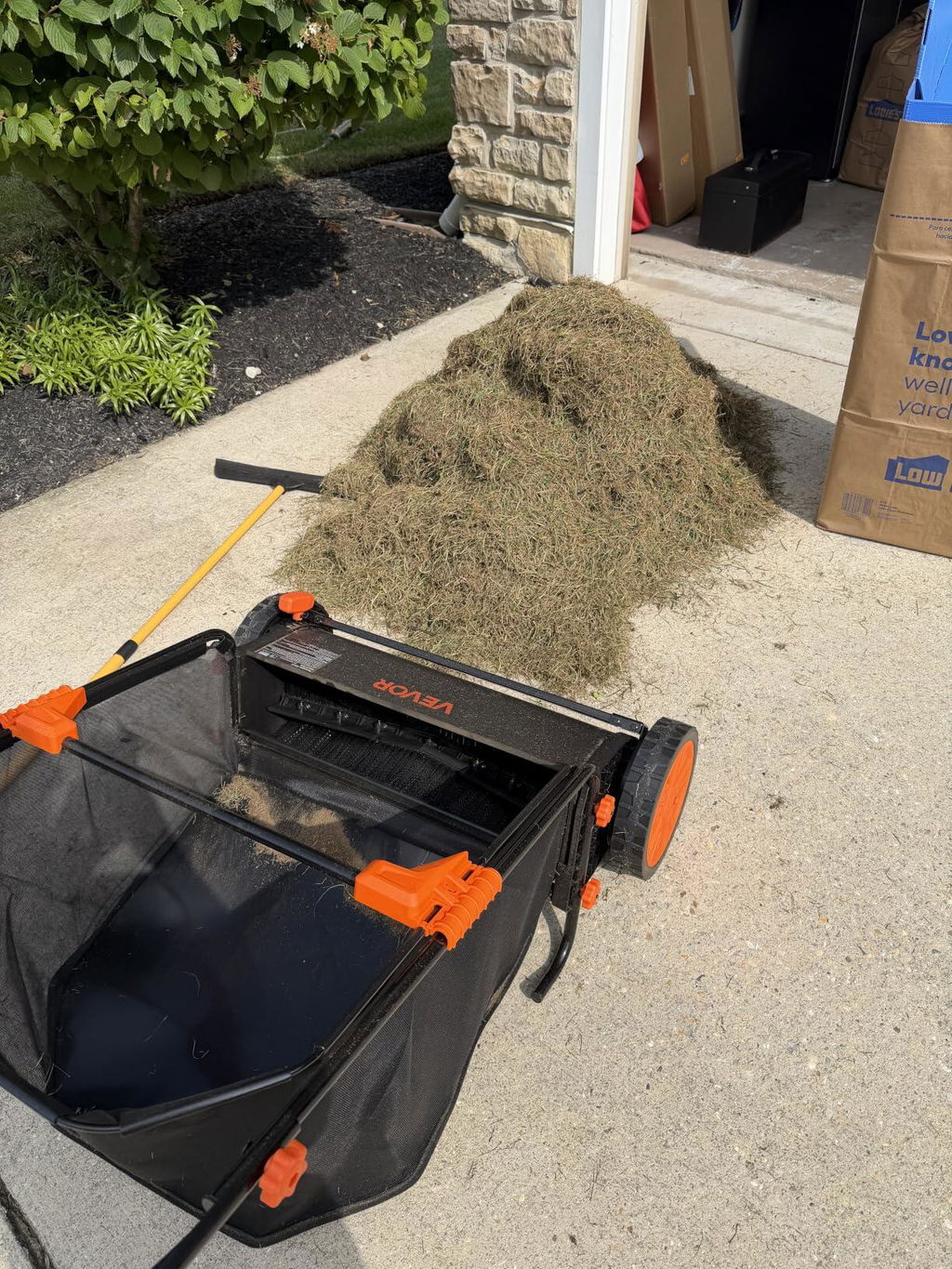
🌱 Grass Clippings — Clean up quickly after mowing.
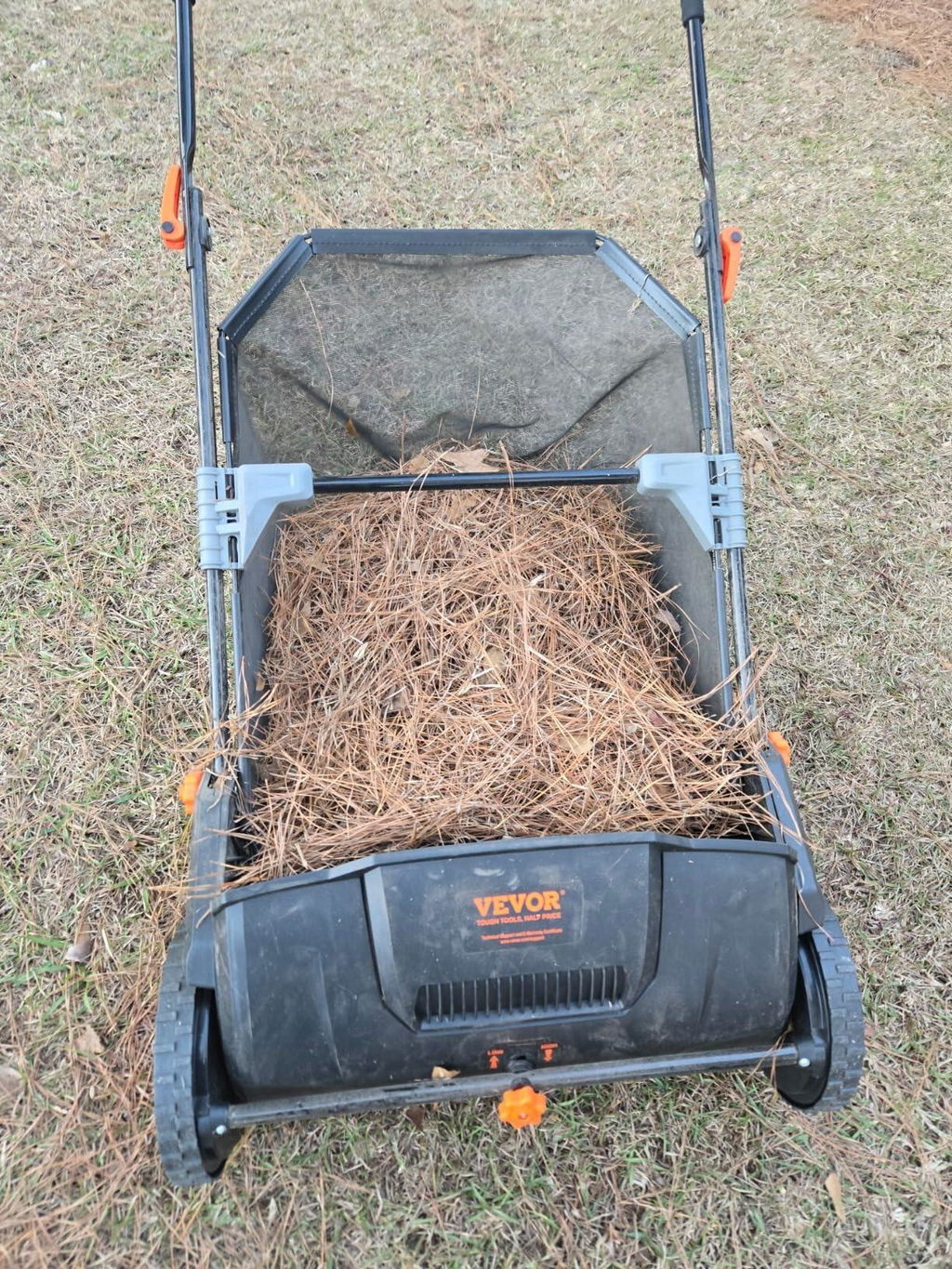
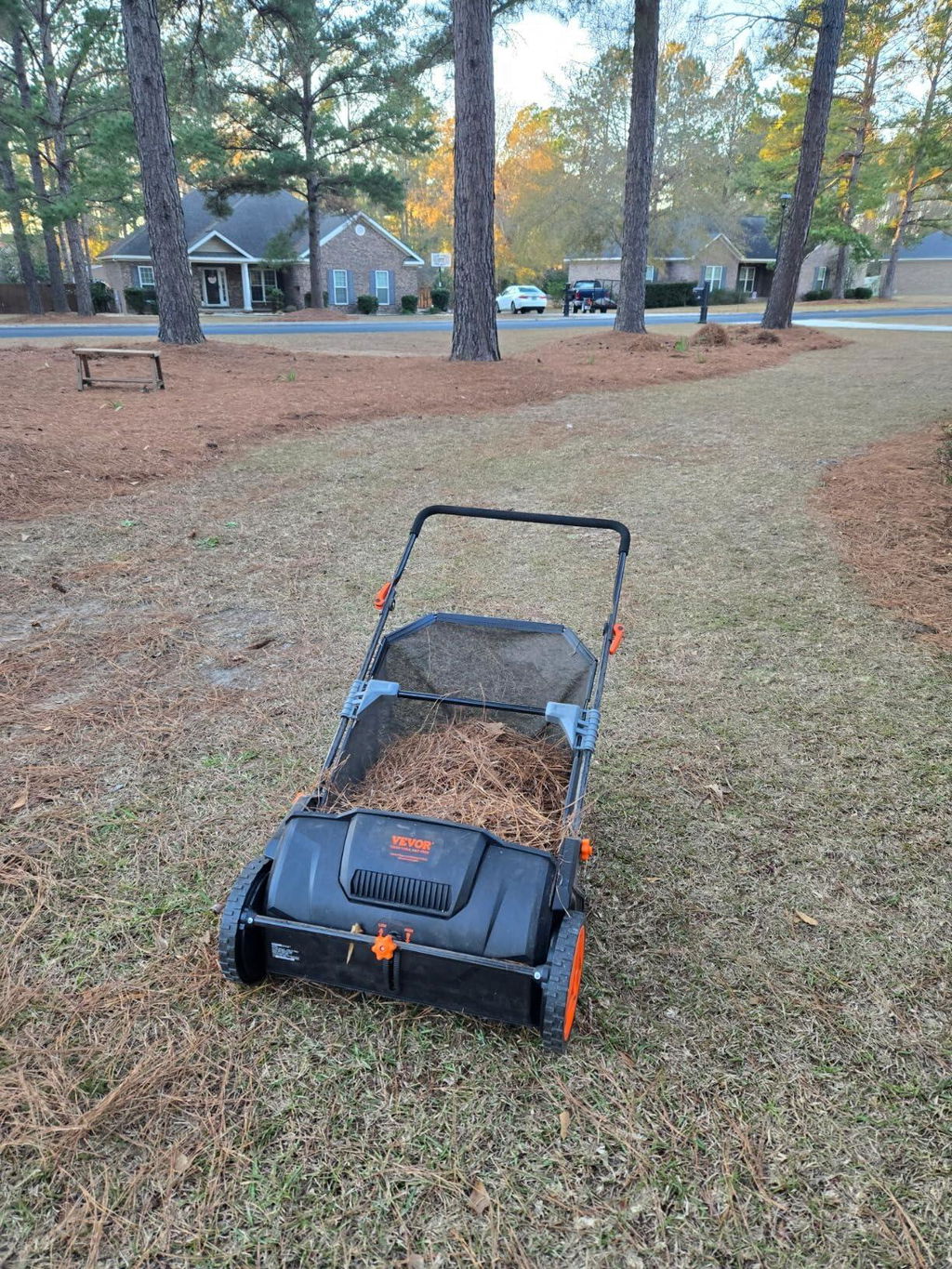
🌲 Pine Needles — Pick up debris that can be frustrating to rake.
🏡 Lawns — Built for routine yard cleanup.
🧱 Patios — Sweep loose outdoor debris from hard surfaces.
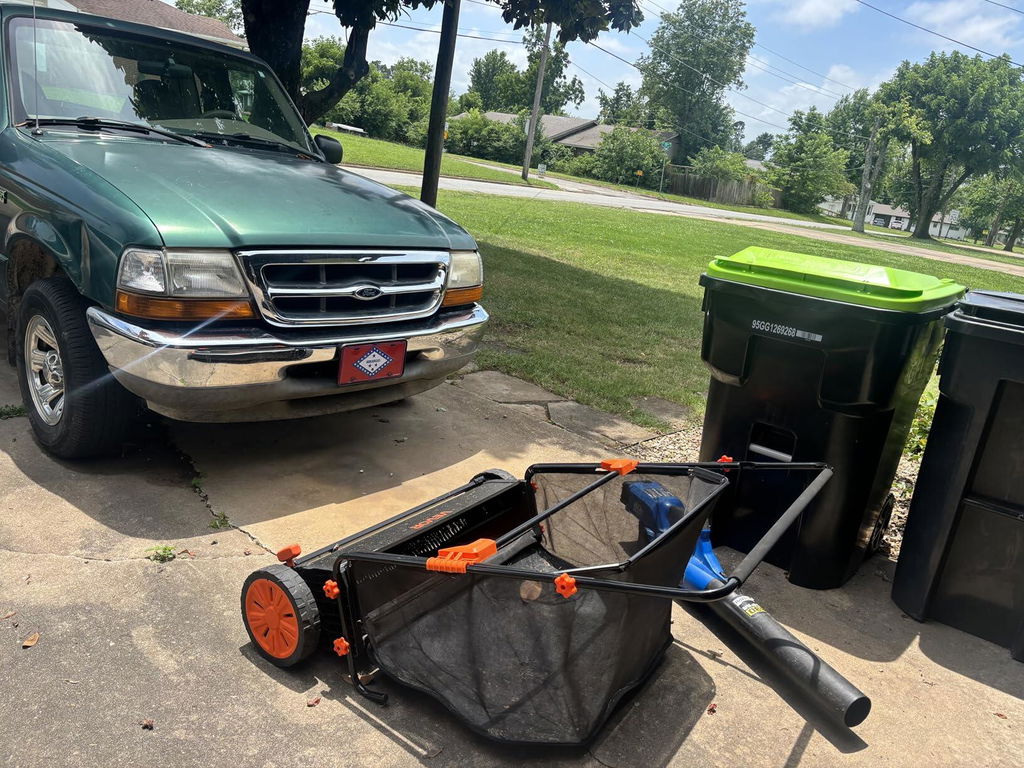
🚗 Driveways — Keep paved areas cleaner with a simple push.
↕️ Different Grass Heights — Adjustable brush height for more flexible cleaning.
🌿 Uneven Surfaces — Fine-tune brush contact for different ground conditions.

Available Sizes: 21" / 26" Upgraded
21" Version
• Sweeping Width: 21" / 53.5 cm
• Brush-to-Wheel Ratio: 5:1
• Hopper Capacity: 3.5 ft³
• Hopper Bag Material: Nylon
• Wheel Size: 9.8" / 25 cm
• Product Weight: 14.3 lbs / 6.5 kg
• Product Size: 44.1" × 26.4" × 35.4"
• Main Materials: Iron, PP, PVC & Polyester
• Power Source: Manual
• Color: Black
26" Upgraded Version
• Sweeping Width: 26"
• Brush-to-Wheel Ratio: 5:1
• Brush System: 3 V-Shaped Rotating Brushes
• Brush Height: 10-Level Adjustable
• Hopper Capacity: 7 cu.ft
• Wheels: PP + Rubber
• Product Weight: 27.6 lbs
• Product Dimensions: 16.9"D × 50"W × 31.5"H
• Power Source: Manual
• Operation Mode: Manual
• Color: Black
Designed for collecting leaves, grass clippings and pine needles on lawns, patios and driveways.
Note: Wet leaves may reduce sweeping efficiency.

Package Includes:
21" Version
• 1 × 21" Manual Push Lawn Sweeper
• 1 × 3.5 ft³ Nylon Hopper Bag
26" Upgraded Version
• 1 × 26" Upgraded Manual Push Lawn Sweeper
• 1 × 7 cu.ft Large-Capacity Hopper Bag
Some assembly may be required depending on the selected version.
For the 26" version, the core components arrive pre-assembled. Simply attach the frame and hopper before use.
Package contents and dimensions vary depending on the selected size.

🚚Fast, Free Shipping
Free shipping on all items to most locations nationwide. It usually takes 8-12 business days for your package to be delivered, so you can sit back and relax, worry-free.
🔙30-Day Risk-Free Trial
Try it worry-free! Full refund within 30 days if you're not satisfied.
🔄1 Year Warranty
We provide a one-year warranty to every customer who purchases our products, so you can use them with peace of mind!
🤛Lifetime Customer Support
We'll Always be There for You. If you have any questions or concerns, feel free to contact us at support@imartfun.com or online chat.
♻️ Safe Payment & Secure Privacy
All data is encrypted. Your information will be kept secured. Protecting your privacy is important to us!
✅ Trusted by 58,000+ Customers
Verified by real users—shop with confidence and ease.
We restock weekly. If it’s showing In Stock, we recommend ordering today — once this batch sells out, we can’t reserve units.


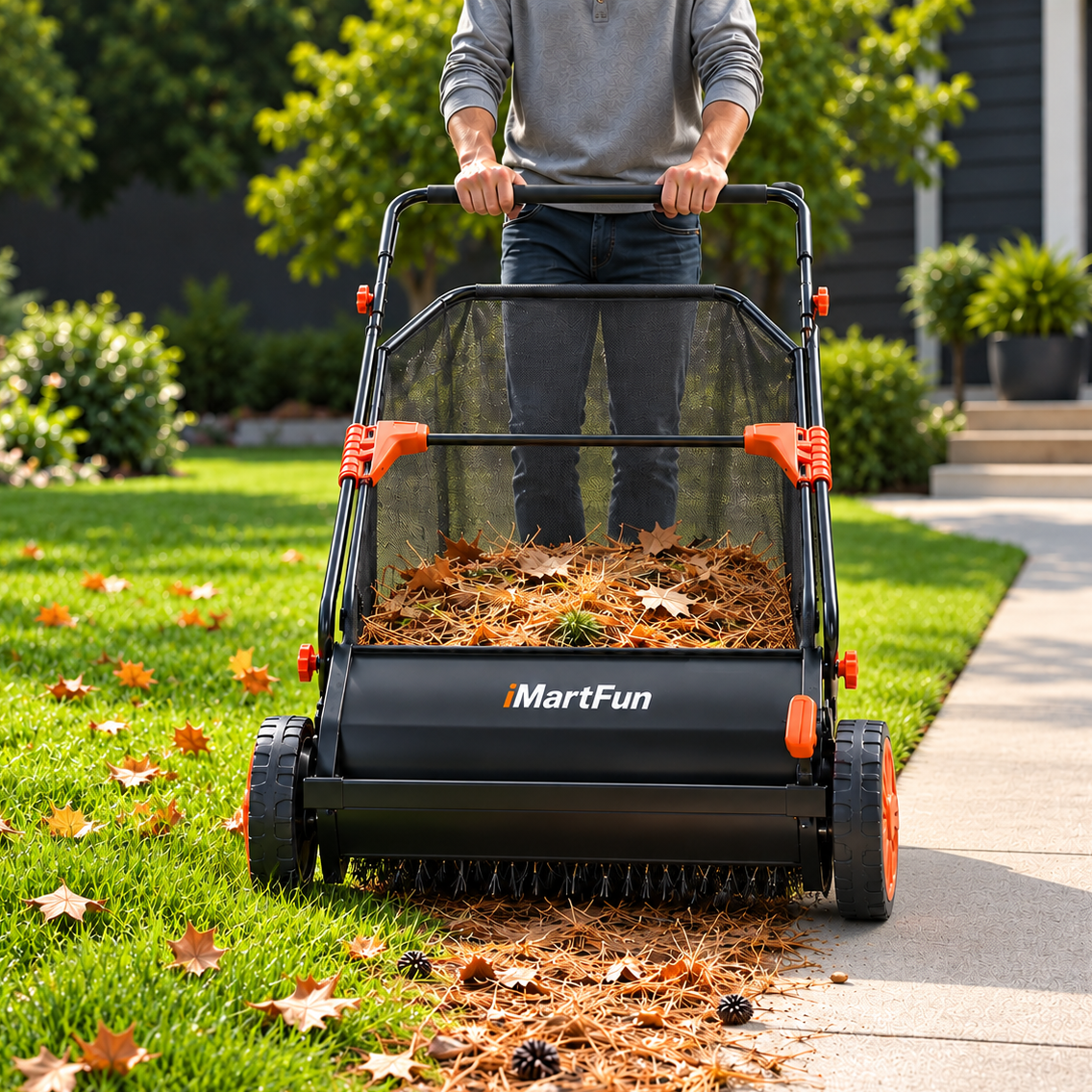
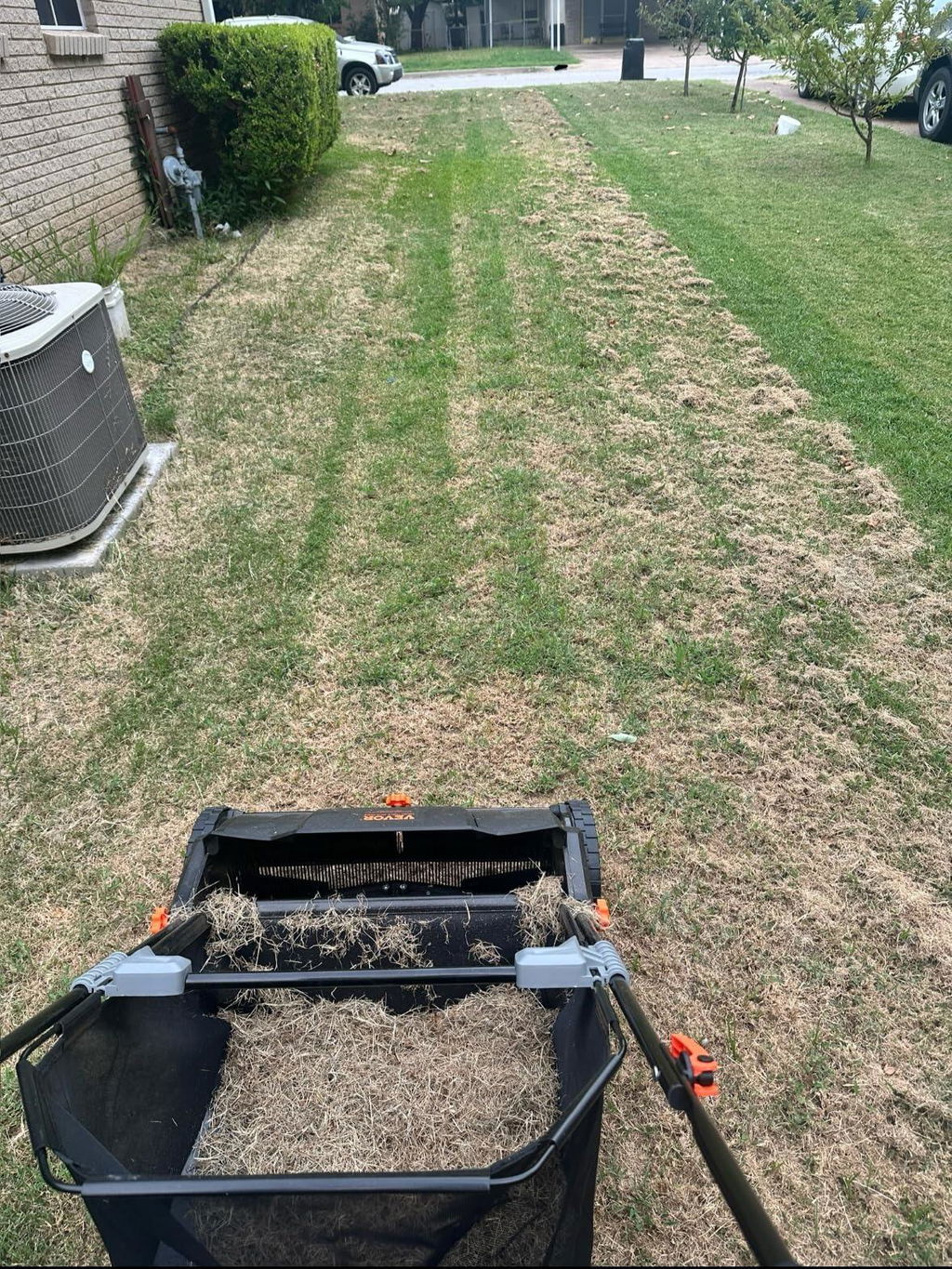
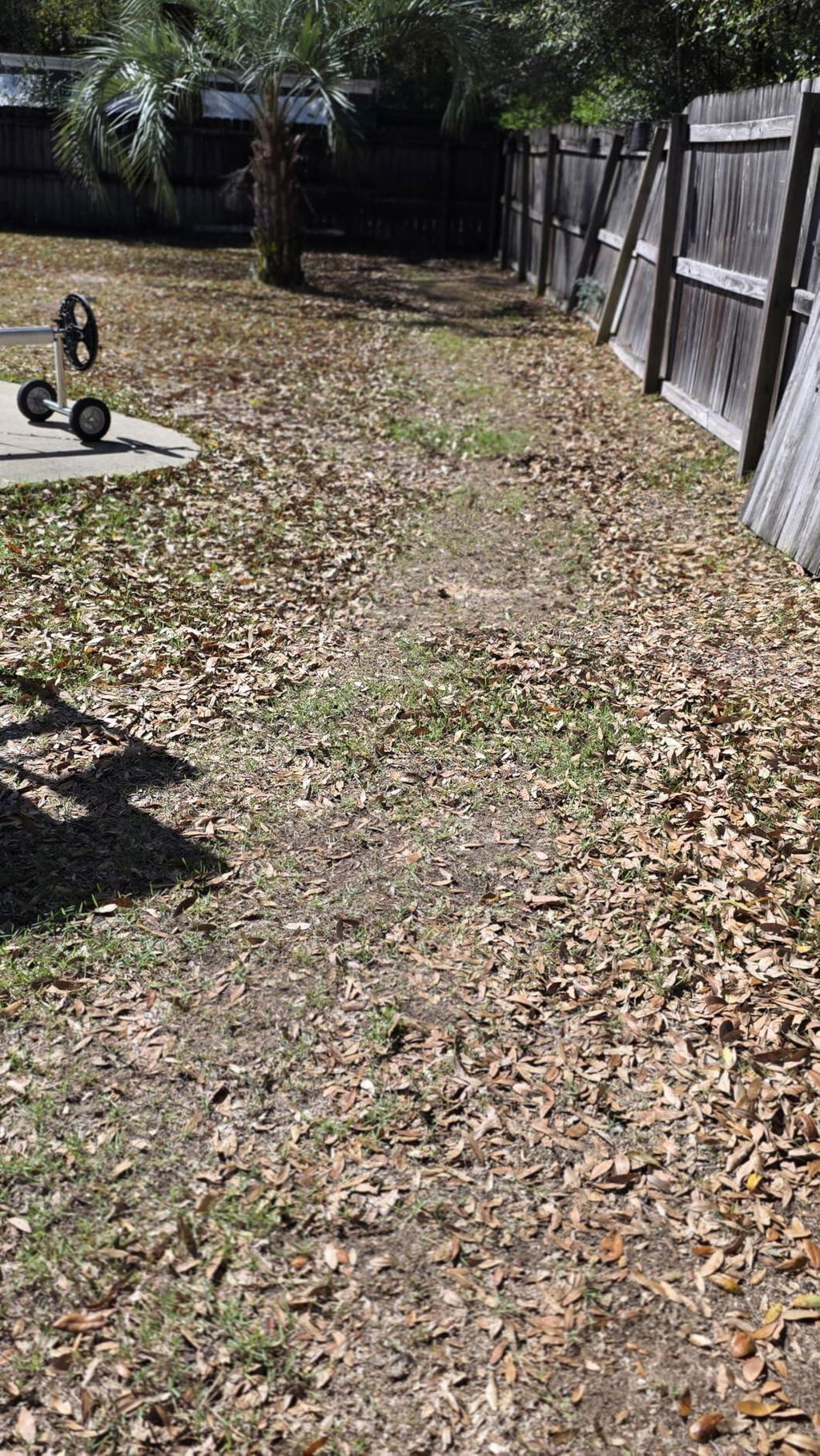
You have finished mowing, but leaves, grass clippings and small yard debris are still scattered across the lawn. The last thing you want is another hour of raking, bending and filling bags.
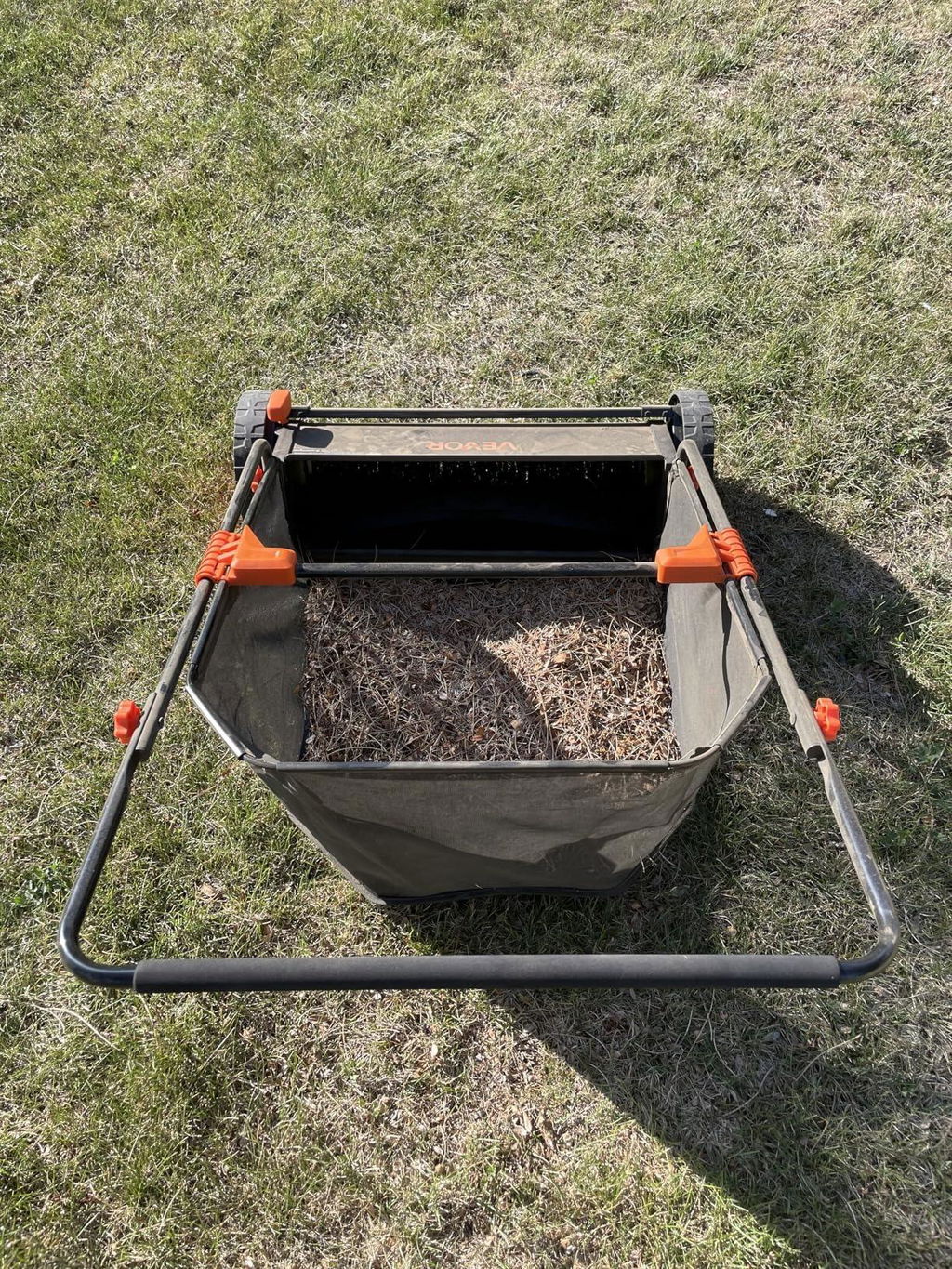
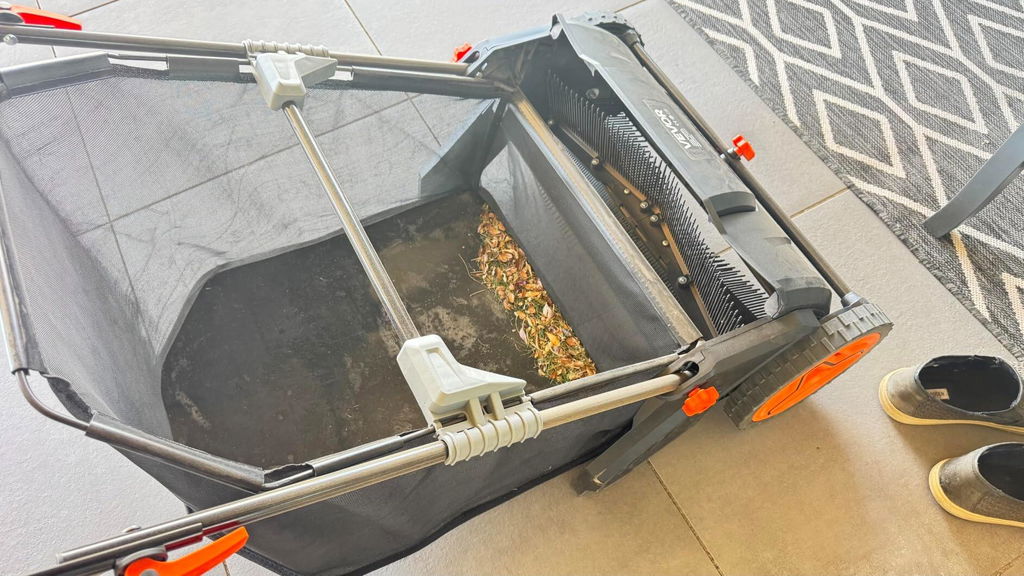
With the iMartFun Push Lawn Sweeper, wheel-powered brushes collect debris as you walk and deposit it directly into the rear hopper.
No gas, charging or extension cords. Choose the right sweeping width for your yard, make fewer passes and get back to enjoying your weekend.
The iMartFun Push Lawn Sweeper collects leaves, clippings and small debris directly into its rear hopper as you walk.
No gas, cords or constant bending—just fewer passes and a faster yard cleanup.
Three ways to clean your lawn. Only one collects debris as you walk—without gas, cords or repeated bagging.
A rake makes piles. A blower moves the mess. The iMartFun Lawn Sweeper collects it as you walk.
Comparison reflects typical household lawn tools used under normal conditions.
You have seen the comparison. Now watch what happens after blowing or raking the leaves.
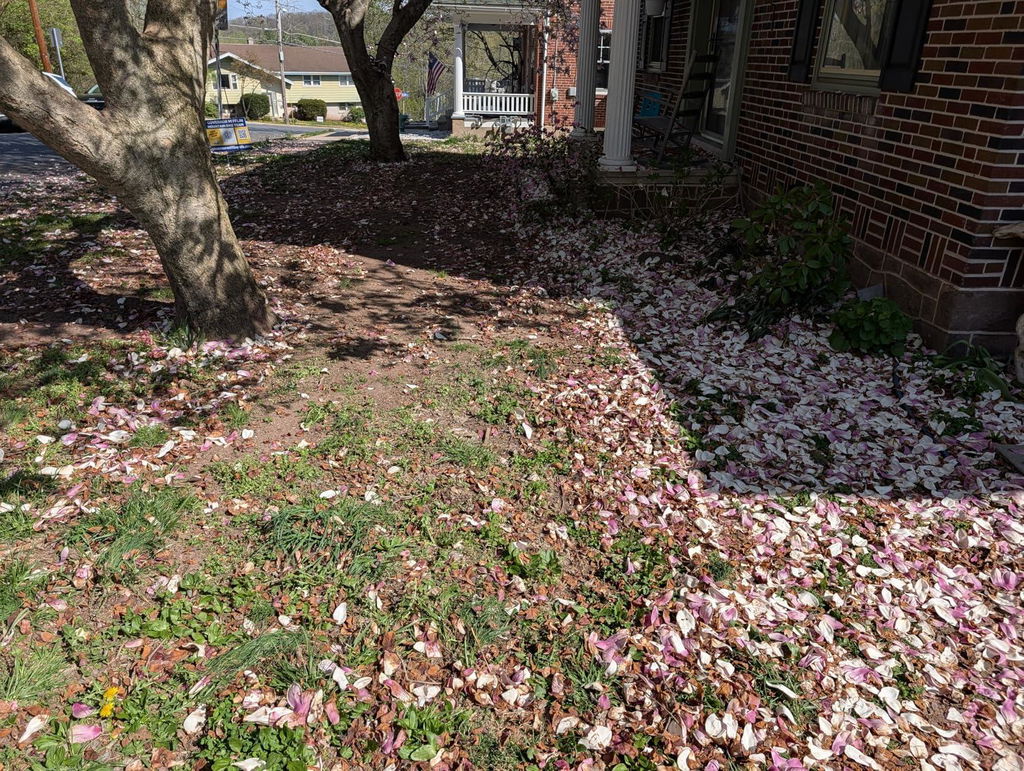
The leaves move across the lawn. Gathering and disposing of that pile still comes next.
The pile takes repeated strokes to gather, then bending and lifting to clear away.
The sweeper’s approach: Push across suitable dry debris. The hopper collects as you go; empty it when full.
Clips illustrate blowing and raking, not sweeper performance. Blower vacuums with collection bags work differently. Pickup depends on debris and surface conditions.
From fallen leaves and grass clippings to pine needles and small yard debris, see the everyday cleanup jobs this manual lawn sweeper is designed to handle.

✦ A CLEANER LAWN IN FEWER PASSES
✦ LESS RAKING. LESS BENDING.
✦ NO GAS. NO CORDS.
✦ PUSH. SWEEP. DONE.
✦ NO GAS. NO CORDS.
✦ A CLEANER LAWN IN FEWER PASSES
✦ LESS RAKING. LESS BENDING.
✦ NO GAS. NO CORDS.
✦ PUSH. SWEEP. DONE.
✦ NO GAS. NO CORDS.
✦ A CLEANER LAWN IN FEWER PASSES
✦ LESS RAKING. LESS BENDING.
✦ NO GAS. NO CORDS.
✦ PUSH. SWEEP. DONE.
✦ NO GAS. NO CORDS.
✦ A CLEANER LAWN IN FEWER PASSES
✦ LESS RAKING. LESS BENDING.
✦ NO GAS. NO CORDS.
✦ PUSH. SWEEP. DONE.
✦ NO GAS. NO CORDS.
✦ A CLEANER LAWN IN FEWER PASSES
✦ LESS RAKING. LESS BENDING.
✦ NO GAS. NO CORDS.
✦ PUSH. SWEEP. DONE.
✦ NO GAS. NO CORDS.
✦ A CLEANER LAWN IN FEWER PASSES
✦ LESS RAKING. LESS BENDING.
✦ NO GAS. NO CORDS.
✦ PUSH. SWEEP. DONE.
✦ NO GAS. NO CORDS.
✦ A CLEANER LAWN IN FEWER PASSES
✦ LESS RAKING. LESS BENDING.
✦ NO GAS. NO CORDS.
✦ PUSH. SWEEP. DONE.
✦ NO GAS. NO CORDS.
✦ A CLEANER LAWN IN FEWER PASSES
✦ LESS RAKING. LESS BENDING.
✦ NO GAS. NO CORDS.
✦ PUSH. SWEEP. DONE.
✦ NO GAS. NO CORDS.


See how this manual lawn sweeper fits into everyday yard cleanup — from leaves and pine needles to grass clippings and other dry outdoor debris.
The right width. An easier cleanup.
Choose between two sweeping widths to suit your lawn, your storage space and the way you like to work.
A narrower option for smaller lawns, tight spaces and quick touch-ups after mowing.
A wider sweep for open stretches of lawn. Cover more ground with each pass and spend less time going back and forth.
Choosing between the two? Pick 21 IN for a compact width, or 26 IN when covering more ground is your priority.


From the first push to picking your size—here's what to know before you get rolling.
Make a pass over loose grass clippings and fallen leaves to collect them in the rear hopper. Empty the hopper as it fills, then carry on.
Dry debris is easier to sweep. If clippings are damp or piled thickly, let them dry or spread them out first.
Choose 21 IN for smaller lawns and compact sweeping width. Choose 26 IN if you have more open lawn to cover with each pass.
The number is the sweeping width, not the machine's total width. Check the full dimensions for storage and narrow gateways.
Letting them dry usually makes the job easier. Wet leaves tend to stick to the lawn and clump together, so pickup can take extra passes.
Break up packed piles before sweeping rather than trying to push through a deep, wet layer.
Start high and test a short strip. Lower the brushes gradually until they pick up loose debris without dragging on the lawn.
If the sweeper feels hard to push or starts scuffing the grass, stop and raise the setting. Use the supplied instructions for your model.
Slopes and uneven ground make pushing and steering more demanding, especially as the hopper fills.
Empty it regularly and follow the slope limits in the manual. Avoid steep or slippery areas where you cannot keep secure footing and control of the sweeper.
Pick it up separately before you start. The sweeper is for loose yard debris; soft pet waste can spread onto the brushes and hopper.
Clearing it first keeps your cleanup equipment easier to maintain.
Tell us what happened and include your order number. A photo of the part or setup can help us understand the issue and guide the next step.
For returns, check the eligibility, timeframe and instructions in our return policy.
Use the iMartFun Contact page to send us a message.
Shopping for your first sweeper? Tell us about your lawn and the size you're considering. Already ordered? Include your order number.
The collection bag looked small at first, though it holds a fair amount of loose debris. It handled the routine mess near the fence better than expected. The turning radius takes some practice, though straight passes are easy. For routine maintenance, it has earned a spot in the shed.
I tested it on dry leaves before trying the heavier piles. It moved smoothly over the shorter grass and packed the bag evenly. I am genuinely pleased with how much it collects in one trip. I would recommend starting with a shallow brush setting and adjusting from there.
The brush adjustment is the key part of getting good results. It handled the routine mess near the fence better than expected. The second use was even faster because I already knew the correct brush height. A second pass usually catches what the first one misses.
Synthetic test reply: Thank you for sharing this mock review.
My lawn is not perfectly level, so I expected a learning curve. It did a good job on thin layers rather than deep wet piles. The collection bag works, but stopping to empty it breaks the rhythm. The quiet operation is a nice bonus early in the morning.
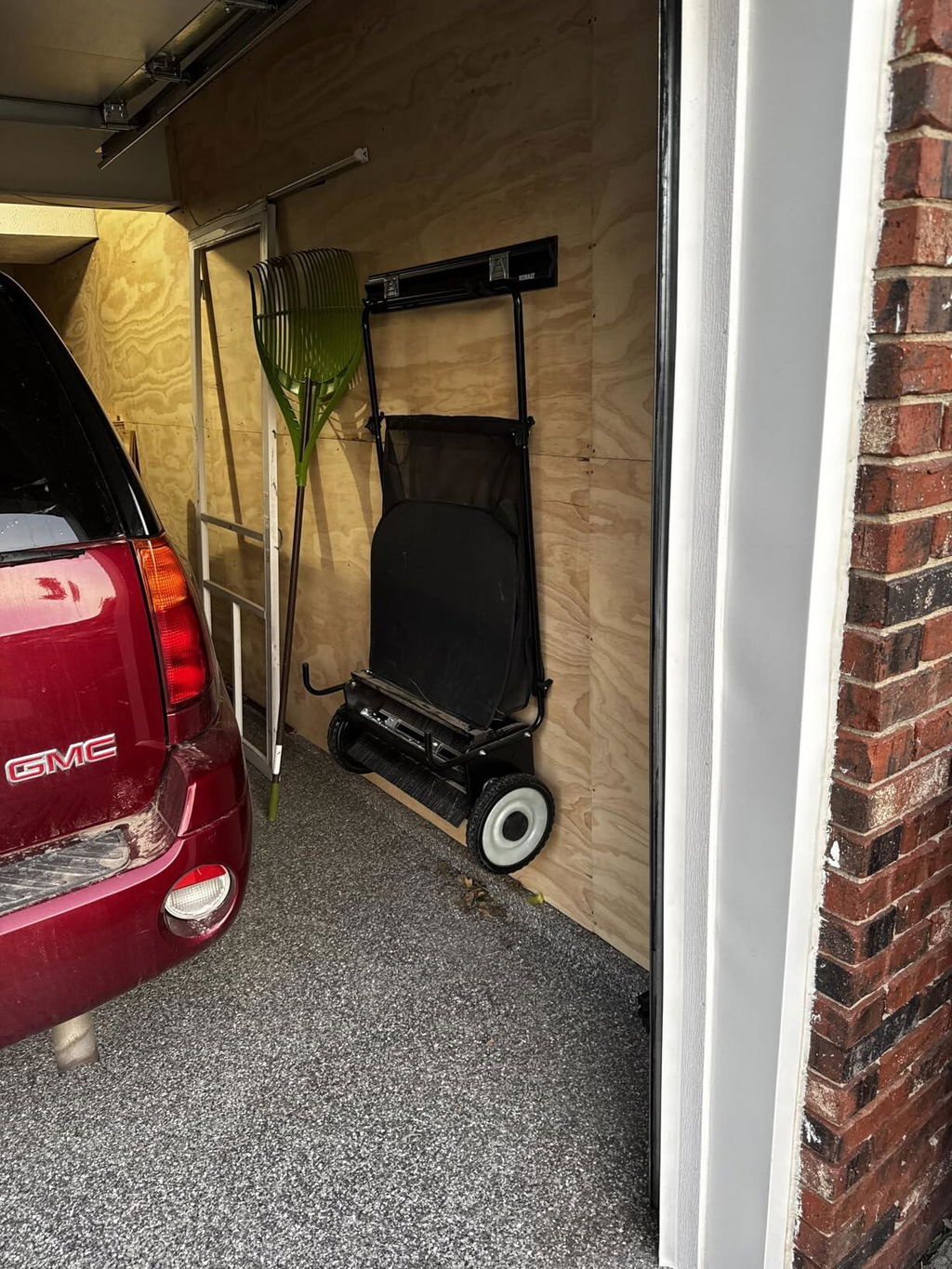
I was looking for help with clippings that get left behind after mowing. It was especially helpful for the clippings left after a dry mow. It has made regular cleanup much less annoying. I store it folded near the mower and it does not take much room.
I assembled it alone and only had to recheck one bolt. It handled the routine mess near the fence better than expected. It has made regular cleanup much less annoying. A second pass usually catches what the first one misses.
I tried it the day after mowing and started on the flattest part of the yard. It collected enough material to make the cleanup feel worthwhile. The hopper emptied easily and I finished sooner than usual. I like it most for quick cleanup after mowing.
The frame feels lighter than I expected, but it rolls smoothly. It picked up loose grass clippings and small leaves in steady passes. The result was clean enough that I put the rake away. I store it folded near the mower and it does not take much room.
Synthetic test reply: Thank you for sharing this mock review.
This has been in my shed for a few weeks now and I have used it several times. It collected enough material to make the cleanup feel worthwhile. The handles stayed comfortable and the frame tracked straight. It is a practical tool as long as expectations are realistic.
My lawn is not perfectly level, so I expected a learning curve. It saved me from bending down to collect small piles by hand. It is quiet, simple, and now gets used almost every weekend. I store it folded near the mower and it does not take much room.
I was skeptical because my yard collects a mix of leaves and clippings. It cleared the short turf faster than my usual rake-and-bag routine. Dry material is easy; damp leaves need extra passes. I still keep a small rake for tight spaces, but this handles the main area.
The instructions were basic, but setup was straightforward once I sorted the hardware. It handled the routine mess near the fence better than expected. The handles stayed comfortable and the frame tracked straight. It is a practical tool as long as expectations are realistic.
The instructions were basic, but setup was straightforward once I sorted the hardware. It did a good job on thin layers rather than deep wet piles. The hopper emptied easily and I finished sooner than usual. It is a practical tool as long as expectations are realistic.
Assembly took me about twenty minutes and the parts lined up fine. It reduced the number of bags I had to fill by hand. Dry material is easy; damp leaves need extra passes. The setup matters more than muscle with this one.
I tried it on both the lawn and the smooth section near the garage. It handled the pine needles better when I overlapped each pass. I am genuinely pleased with how much it collects in one trip. For the price, the time saved feels reasonable.
I tried it on both the lawn and the smooth section near the garage. It gathered the lighter debris along the driveway edge surprisingly well. Overall it saves time even with a few limitations. I would recommend starting with a shallow brush setting and adjusting from there.
It arrived as a simple manual tool, which is exactly what I wanted. It moved smoothly over the shorter grass and packed the bag evenly. Overall it saves time even with a few limitations. The setup matters more than muscle with this one.
It arrived as a simple manual tool, which is exactly what I wanted. It did a good job on thin layers rather than deep wet piles. Overall it saves time even with a few limitations. The setup matters more than muscle with this one.
My lawn is not perfectly level, so I expected a learning curve. It cleared the short turf faster than my usual rake-and-bag routine. The tool works, although pushing it uphill becomes tiring. I like it most for quick cleanup after mowing.
I have used rakes, blowers, and bags, and wanted a quieter option. It covered the open part of the yard quickly and stayed easy to push. The second use was even faster because I already knew the correct brush height. The setup matters more than muscle with this one.
Synthetic test reply: Thank you for sharing this mock review.
I bought this to cut down the time I spend raking. It saved me from bending down to collect small piles by hand. For my yard and the kind of debris I have, it works exactly as hoped. So far it has held up well through regular use.
Synthetic test reply: Thank you for sharing this mock review.
It arrived as a simple manual tool, which is exactly what I wanted. It collected enough material to make the cleanup feel worthwhile. I am genuinely pleased with how much it collects in one trip. I still keep a small rake for tight spaces, but this handles the main area.
I have a smaller yard and did not want another powered tool to maintain. It saved me from bending down to collect small piles by hand. The tool works, although pushing it uphill becomes tiring. I still keep a small rake for tight spaces, but this handles the main area.